
If you have a water heater at home, you might not realize how important the right thermal expansion tank size is for your system’s health. Choosing the correct size can save you from costly repairs, leaks, and pressure problems.
But how do you know which size fits your setup perfectly? You’ll discover easy tips and simple steps to size your water heater’s thermal expansion tank correctly. Keep reading to protect your plumbing and enjoy worry-free hot water every day.

Credit: www.gotolee.com
Why Thermal Expansion Tanks Matter
Thermal expansion tanks play a key role in water heater systems. They control the pressure changes caused by heating water. Without them, the plumbing system can face serious damage.
Water expands as it heats. This extra volume increases pressure inside pipes and tanks. The thermal expansion tank absorbs this pressure safely. It prevents leaks, pipe bursts, and water heater damage.
Protecting Your Plumbing System
High pressure can harm pipes and fixtures. Expansion tanks reduce this pressure safely. They act as a cushion for expanding water. This protection extends the life of pipes and fittings.
Preventing Water Heater Damage
Water heaters are sensitive to pressure changes. Constant high pressure can cause tank failure. Expansion tanks balance pressure to avoid stress. This keeps the water heater working longer and better.
Maintaining Consistent Water Pressure
Pressure spikes cause uneven water flow. Expansion tanks stabilize pressure changes. This leads to steady water flow at faucets and showers. A better experience for daily use.
Meeting Building Codes And Safety Standards
Many areas require expansion tanks by code. They ensure safe plumbing and water heater operation. Installing a tank helps you comply with local rules. It also improves home safety for everyone.
How Thermal Expansion Affects Water Heaters
Water heats up and expands. This expansion creates extra pressure inside the water heater tank. Over time, this pressure can damage the tank and plumbing system.
Without a way to manage this pressure, pipes may leak or burst. The water heater’s lifespan shortens. The home’s water system becomes less safe and reliable.
What Causes Thermal Expansion In Water Heaters?
Water expands as it heats. When water heats past 100°F, it grows in volume. The tank holds more water than before. This extra water needs space.
Most tanks are closed systems. The water cannot expand outside the tank. Pressure builds inside the tank and pipes.
Why High Pressure Harms Water Heaters
High pressure stresses the tank’s walls. It can cause leaks or cracks. Valves and fittings may also fail. This leads to water damage and costly repairs.
Pressure also affects safety devices. These devices might trigger often or fail to work. This increases risk for home damage or injury.
How A Thermal Expansion Tank Helps
A thermal expansion tank gives water a place to expand. It absorbs extra pressure safely. The tank connects to the water heater system.
This reduces stress on pipes and valves. It helps maintain steady water pressure. The water heater lasts longer and works better.
Key Factors In Tank Sizing
Sizing a thermal expansion tank correctly is vital for safe and efficient water heater operation. The tank controls pressure changes caused by water heating. Several key factors affect the right size of the expansion tank. Understanding these helps prevent damage and keeps your system running smoothly.
Water Heater Capacity
The size of your water heater affects the tank size needed. Larger water heaters heat more water, causing more expansion. A bigger tank is necessary to handle this extra volume. Check your water heater’s gallon capacity before choosing an expansion tank.
System Pressure
Water pressure in your plumbing impacts the tank size. Higher pressure means the tank must absorb more force. Know your home’s pressure level to select an expansion tank that can handle it. This prevents leaks and pipe damage.
Temperature Rise
The difference between cold water and hot water temperature is called temperature rise. A higher temperature rise causes more water expansion. This requires a larger thermal expansion tank. Measure the temperature change to pick the correct tank size.
Types Of Expansion Tanks
Expansion tanks help manage water pressure in your heating system. They prevent damage caused by thermal expansion. There are two main types of expansion tanks. Each type works differently to keep your system safe and efficient.
Diaphragm Tanks
Diaphragm tanks have a rubber diaphragm inside. This diaphragm separates air from the water. As water heats up, it pushes against the diaphragm. The diaphragm expands, absorbing pressure changes. These tanks provide steady pressure control. They are low maintenance and reliable. Diaphragm tanks fit most residential water heaters.
Bladder Tanks
Bladder tanks use a rubber bladder instead of a diaphragm. The bladder holds the water, while air surrounds it. When water heats, the bladder expands inside the tank. This design keeps air and water separate. Bladder tanks offer good pressure management. They are common in larger or commercial systems.
Calculating The Correct Tank Size
Choosing the right size for a water heater thermal expansion tank is important. The correct size keeps your plumbing safe from pressure damage. A tank that is too small will not work well. Too large wastes space and money. Understanding how to calculate the tank size helps prevent problems.
Step-by-step Calculation
Start by knowing your water heater’s volume in gallons. This is usually on the label or manual. Next, find the temperature rise your heater uses. It is the difference between cold water and the hot water set point.
Calculate the expansion volume. Multiply the water heater volume by the expansion factor. The expansion factor depends on the temperature rise. For example, a 40°F rise has an expansion factor of about 2.1%.
Determine the tank size using the formula: Expansion Volume ÷ Tank Pre-Charge Pressure Factor. The pressure factor depends on your system pressure, often around 40 psi. This calculation gives the minimum tank volume needed.
Using Manufacturer Charts
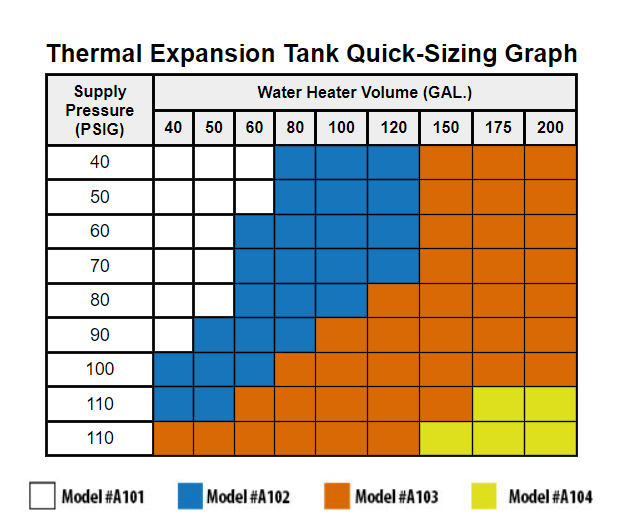
Many manufacturers provide charts to simplify sizing. Find your water heater capacity on the chart. Match it with the temperature rise you expect. The chart shows the recommended tank size in gallons.
Charts save time and reduce errors in calculation. Always check that the chart matches your heater model and pressure system. Use charts as a guide, not a strict rule. Confirm your system’s pressure and settings for best results.

Credit: naranjosdemarbella.com
Installation Tips For Expansion Tanks
Installing a thermal expansion tank correctly is vital for safety and system efficiency. It helps control pressure changes caused by heating water. Proper installation extends the life of your water heater and pipes. Follow these simple tips to install the expansion tank right.
Placement And Orientation
Place the expansion tank close to the water heater. This keeps the system compact and efficient. Mount the tank in a vertical position. Vertical placement allows the air bladder inside to work properly. Avoid placing the tank where it can freeze or get damaged. Make sure it is easy to access for maintenance and inspection.
Connection Methods
Use a tee fitting on the cold water line before the water heater. This is the best spot for connection. Use a pipe thread sealant or Teflon tape on threads. It prevents leaks and ensures a tight fit. Avoid soldering near the tank’s connection point. Heat can damage the tank’s air bladder. Use flexible connectors to reduce stress on pipes and fittings.
Common Issues And Troubleshooting
Water heater thermal expansion tanks help control pressure in your plumbing system. Sometimes, these tanks face problems that affect their performance. Knowing common issues and how to fix them saves time and money.
Understanding these problems helps keep your water heater working safely and efficiently.
Tank Waterlogging
Waterlogging happens when the tank fills completely with water. The air cushion inside disappears. This stops the tank from absorbing pressure changes. Your pipes may feel noisy or even leak.
Check the tank by pressing on it. If it feels heavy and solid, it may be waterlogged. Draining the tank and refilling the air can fix this issue. Some tanks have a valve to add air easily.
Pressure Problems
Pressure issues often come from wrong tank size or faulty air charge. Too much pressure can damage pipes and valves. Too little pressure means the tank won’t protect the system well.
Measure your home’s water pressure with a gauge. Adjust the tank’s air pressure to match the water pressure. Replace the expansion tank if it cannot hold pressure properly.
Credit: mithiagioielli.com
Maintenance And Longevity
Proper maintenance of a water heater thermal expansion tank helps extend its life. A well-maintained tank keeps the water heater running smoothly. It prevents pressure build-up and reduces wear on plumbing parts.
Regular checks catch problems early. This avoids costly repairs and ensures safety. Taking care of the expansion tank also saves energy and water.
Checking Pressure Regularly
Pressure in the expansion tank must match the water system. Use a pressure gauge to check monthly. Adjust the air pressure with a pump if needed. Correct pressure stops leaks and tank damage.
Inspecting For Leaks
Look for water around the tank base and fittings. Small leaks may grow if ignored. Tighten loose connections or replace faulty parts. A dry tank area means the system works well.
Draining The Tank
Draining removes sediment and keeps the tank clean. Flush the tank once or twice a year. Sediment buildup reduces tank efficiency and life. Use a hose to drain water safely outside.
Replacing A Faulty Expansion Tank
Old tanks lose air or develop rust. A faulty tank causes pressure problems and water damage. Replace the tank every 5 to 7 years. Choose the right size for your water heater system.
Conclusion
Choosing the right size for a water heater thermal expansion tank matters. It protects your plumbing system from extra pressure. A tank too small or too big can cause problems. Measure your water heater’s capacity and check your home’s water pressure.
This helps pick the best tank size for safety and efficiency. Proper sizing saves money and prevents damage. Keep your water heater working well by using the right expansion tank. Simple steps lead to long-lasting comfort and fewer repairs.