
Is your Suburban RV water heater not working when you need it most? Imagine stepping into your RV after a long day, expecting a warm shower, only to find the water cold and uninviting.
Frustrating, isn’t it? You rely on your water heater for comfort and convenience, so when it fails, it can quickly turn your trip upside down. But don’t worry—you’re not alone, and fixing this issue might be easier than you think.
Keep reading to discover simple, practical steps to get your Suburban RV water heater back up and running, so you can enjoy every moment on the road without worry.
Common Water Heater Issues
Suburban RV water heaters are reliable but can face common issues. These problems affect your hot water supply and comfort. Understanding these issues helps you fix them faster. Below are typical problems and what they mean for your RV water heater.
No Hot Water
No hot water is the most common complaint. It can happen due to a faulty thermostat or a broken heating element. Sometimes, the pilot light goes out and stops heating. Check power supply and gas flow before assuming a big problem.
Water Too Hot Or Cold
Water that is too hot or cold shows thermostat trouble. The thermostat controls water temperature. If it breaks or gets stuck, water heats unevenly. Adjust or replace the thermostat to fix this issue. Temperature control is key for safe use.
Pilot Light Problems
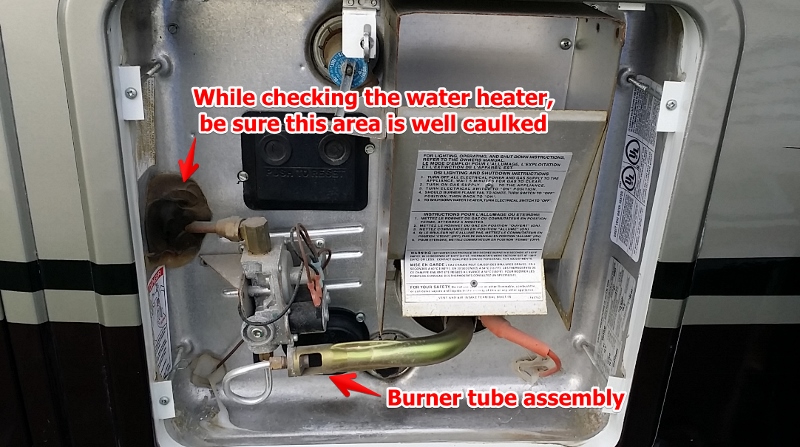
The pilot light ignites the burner in gas models. It may go out from wind, dirt, or gas issues. A weak pilot light means poor heating or no heat at all. Clean the pilot assembly and check gas supply to solve this problem.
Water Leaks
Leaks cause water damage and reduce heater efficiency. They can come from loose connections, damaged pipes, or a faulty pressure relief valve. Inspect the unit regularly for drips or puddles. Tighten fittings or replace parts to stop leaks.
Credit: comunicar.org
Basic Troubleshooting Steps
When your Suburban RV water heater stops working, basic troubleshooting helps find the problem. These steps save time and avoid costly repairs. Follow them carefully to restore hot water quickly.
Check Power Supply
Make sure the water heater is plugged in. Look for loose or damaged cords. Test the outlet with another device. A power issue often stops the heater from working.
Inspect Gas Supply
Confirm the propane tank is full. Check the gas valve is open. Look for leaks or damage in gas lines. No gas flow means no heat from the water heater.
Examine Thermostat Settings
Check the thermostat for correct temperature. Turn it slightly higher if water stays cold. Faulty or incorrect settings cause the heater to run poorly.
Reset Circuit Breaker
Locate the circuit breaker for the water heater. Switch it off, wait a few seconds, then turn it on. Resetting can clear faults and restore power to the unit.
Fixing Pilot Light Problems
Fixing pilot light problems is a common task for Suburban RV water heater owners. The pilot light keeps the water heater burning and producing hot water. If the pilot light goes out or does not stay lit, the water heater will not work. Simple checks and fixes often solve these issues. Understanding how to relight, clean, and replace parts can save time and money.
Relighting The Pilot
Start by turning off the gas supply to the water heater. Wait a few minutes to clear any gas in the air. Locate the pilot light knob and press it down. While holding the knob, use a lighter or match to ignite the pilot. Keep holding the knob for 30 seconds after lighting. Release the knob slowly. The pilot should stay lit. If it goes out, try again or check other parts.
Cleaning The Pilot Tube
Dirt or debris can block the pilot tube and stop the flame. Turn off the gas and let the heater cool down. Find the pilot tube near the burner. Use a small wire or compressed air to clear any blockage. Clean gently to avoid damage. After cleaning, try relighting the pilot again. A clean tube helps the pilot light stay steady.
Replacing The Thermocouple
The thermocouple senses the pilot flame and controls gas flow. A faulty thermocouple stops gas from reaching the pilot. Turn off the gas and remove the water heater access panel. Locate the thermocouple next to the pilot light. Unscrew the old thermocouple and disconnect it. Install a new thermocouple in the same place. Tighten screws and reconnect gas line. Turn gas on and relight the pilot. A new thermocouple often fixes pilot light problems.
Addressing Heating Element Issues
Heating element problems are a common cause of a Suburban RV water heater not working. The heating element is the part that warms the water inside the tank. If it stops working, the water will stay cold. Fixing or replacing this part can get your water heater back to normal quickly.
Start by checking the heating element to see if it works properly. This step saves time and money by confirming the real issue.
Testing The Heating Element
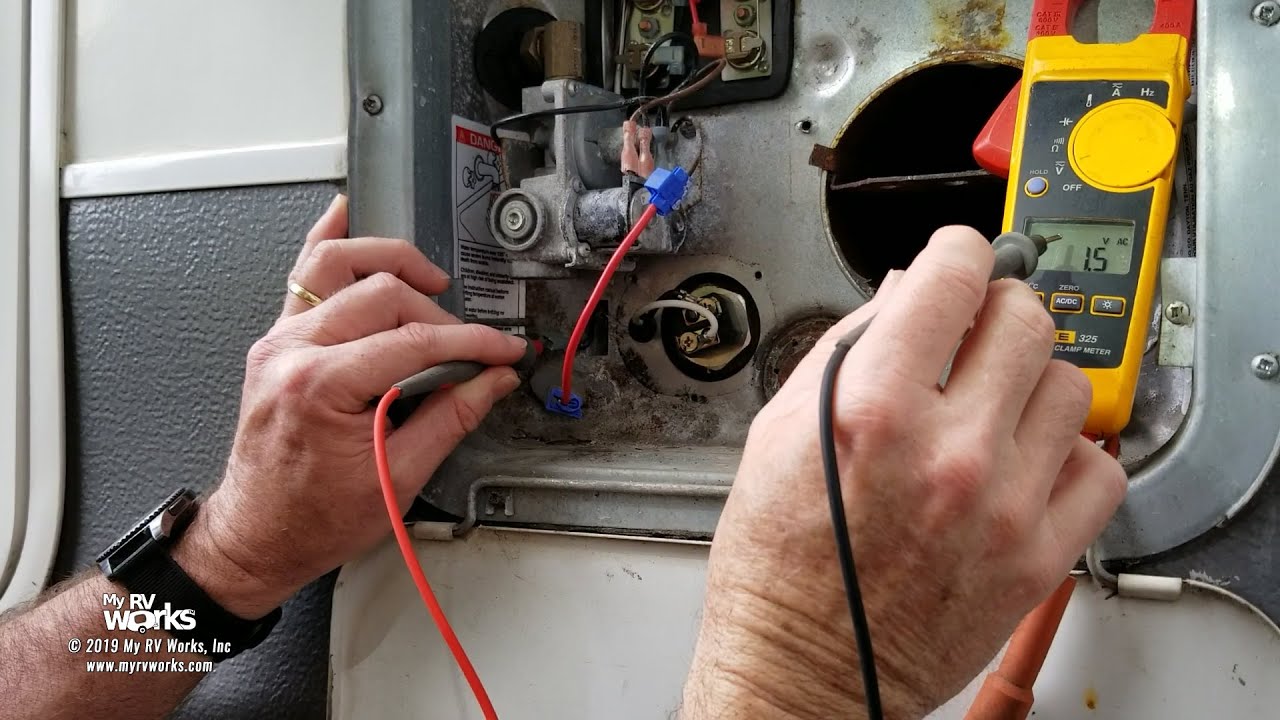
Turn off the power to the water heater to stay safe. Use a multimeter to test the heating element’s electrical resistance. Set the multimeter to the ohms setting. Remove the wires from the element. Touch the multimeter probes to the element terminals. A good element usually reads between 10 and 30 ohms. If the meter shows no reading or infinite resistance, the element is broken. Also, check for shorts by testing between the element and the metal tank. Any reading here means the element is faulty.
Replacing A Faulty Element
Switch off the power and drain the water heater tank. Remove the access panel and insulation. Unscrew the old heating element using a wrench or socket. Clean the area around the opening to remove old sealant. Apply new sealant or a gasket to the new element. Screw the new element into place tightly. Reconnect the wires to the new element terminals. Refill the tank and restore power. Test the heater to ensure it heats the water correctly. Replacing the element often solves heating issues quickly.
Handling Water Leaks
Water leaks in a Suburban RV water heater can cause damage and reduce efficiency. Fixing leaks fast prevents bigger problems. Focus on finding the source and stopping the leak.
Locating Leak Sources
First, check around the water heater for wet spots. Look at pipes, valves, and the tank itself. Use a dry cloth to find damp areas. Small leaks may drip slowly. Watch for rust or corrosion. These signs show weak points in the system.
Tightening Connections
Loose connections often cause leaks. Use a wrench to gently tighten nuts and bolts. Do not over-tighten, or you may cause damage. Check water lines and fittings carefully. Tighten each connection a little at a time. Test for leaks after each adjustment.
Replacing Seals And Gaskets
Worn seals and gaskets cause water to escape. Remove the old seal or gasket from the leaking part. Clean the area before adding a new one. Choose the correct size and type for your water heater. Press the new seal in place firmly. This step stops water from leaking around joints.
Credit: www.youtube.com
Preventive Maintenance Tips
Preventive maintenance helps keep your Suburban RV water heater working well. Small checks and care stop big problems. This saves money and time on repairs. Follow these easy tips to extend your water heater’s life. Regular care makes sure hot water is always ready.
Regular Flushing
Flush the tank often to remove dirt and minerals. This stops buildup that blocks heat. Use fresh water and drain the tank fully. Flushing keeps water clean and heater working fast. Do this at least twice a year for best results.
Checking Anode Rod
Check the anode rod inside the tank. It protects the heater from rust. Replace the rod if it looks worn or thin. A good rod stops corrosion and keeps water safe. Inspect it once a year to avoid damage.
Inspecting For Corrosion
Look for rust or leaks around the heater parts. Corrosion can cause leaks and failure. Clean any rust spots and tighten loose fittings. Early spotting of corrosion helps fix small issues fast. Check the heater’s exterior and connections regularly.
When To Call A Professional
Knowing when to call a professional for your Suburban RV water heater saves time and money. Some problems need expert tools and skills to fix properly. Attempting complex repairs alone may cause more damage or safety risks. Professionals ensure the job is done right and your heater works safely.
Complex Repairs
Some water heater issues are too tricky for basic fixes. Problems with the gas line, thermostat, or internal parts need expert knowledge. Professionals have the right tools to diagnose and repair these complex faults. Trying to fix these yourself can lead to bigger problems.
Safety Concerns
Water heaters use gas or electricity, which can be dangerous. Faulty repairs might cause gas leaks or electrical shocks. A professional knows how to handle these safely. Protect yourself and your RV by calling an expert for any risky repairs.
Warranty Considerations
Many RV water heaters come with warranties. Doing repairs yourself might void these warranties. Professionals follow guidelines to keep your warranty valid. Trusting a certified technician helps protect your investment and ensures quality service.
Credit: healingwithhorsesranch.org
Frequently Asked Questions
Why Is My Suburban Rv Water Heater Not Heating?
Common causes include a faulty heating element, tripped breaker, or low propane supply. Check power and gas connections first for safety.
How To Reset A Suburban Rv Water Heater?
Locate the reset button on the heater’s control panel. Press and hold it for a few seconds to restart the system.
What Causes A Suburban Rv Water Heater Pilot To Go Out?
Drafts, dirty pilot tube, or low propane pressure often cause the pilot to extinguish. Clean and inspect regularly for best performance.
How To Check The Heating Element In A Suburban Water Heater?
Use a multimeter to test for continuity. A broken element means it needs replacement for the heater to work again.
Conclusion
A Suburban RV water heater not working can be frustrating. Check the power source and gas supply first. Clean or replace faulty parts for better results. Regular maintenance helps avoid future problems. Small fixes often save time and money. Stay patient and follow safety steps carefully.
Enjoy warm water on your next trip. Simple care keeps your RV comfortable and ready.