
Is your water heater shut off valve leaking? If so, you’re not alone—and it’s a problem you can’t ignore.
A small drip might seem harmless, but it can quickly turn into a costly headache. You might wonder if it’s something you can fix yourself or if it means bigger trouble is on the way. You’ll discover exactly why your valve is leaking, what risks it poses, and simple steps you can take to stop the leak before it causes damage.
Keep reading to protect your home and avoid unnecessary expenses.
Common Causes Of Valve Leaks
Water heater shut off valve leaks are common problems in many homes. These leaks can waste water and cause damage. Understanding the causes helps to fix the problem quickly. Here are some common reasons why valves leak.
Worn Out Washer
The washer inside the valve can wear out over time. It stops sealing properly. Water then seeps through small gaps. Replacing the washer often stops the leak.
Loose Valve Connections
Connections around the valve may become loose. This happens due to vibrations or poor installation. Tightening these connections can stop the leak. Check for any movement around the valve.
Corroded Valve Components
Metal parts of the valve can corrode. Corrosion creates holes or weak spots. Water leaks through these damaged areas. Replacing corroded parts is important to fix leaks.
High Water Pressure
Excessive water pressure can strain the valve. It causes small cracks or loosening. A pressure regulator can help control water pressure. Reducing pressure often stops leaks from valves.
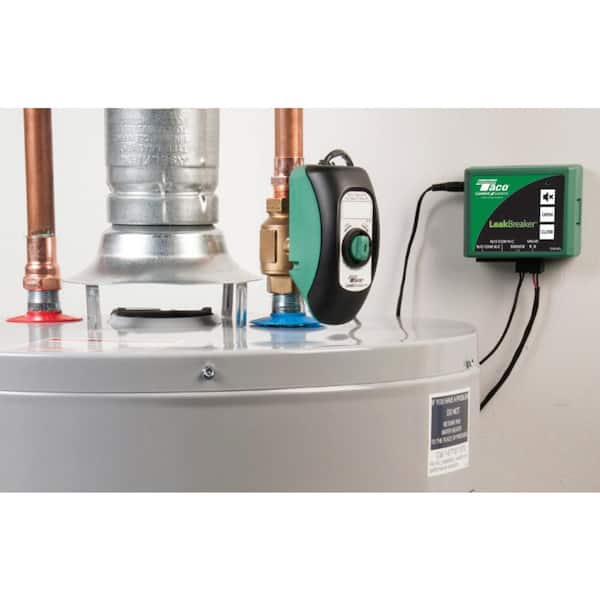
Credit: www.homedepot.com
Tools Needed For Repair
Fixing a leaking water heater shut off valve requires some basic tools. Having the right tools makes the repair easier and faster. Each tool plays a specific role in the process.
Prepare these tools before starting. This preparation helps avoid delays and frustration during the repair.
Adjustable Wrench
An adjustable wrench fits various bolt sizes. It helps loosen or tighten valve nuts without damaging them. Choose one with a comfortable grip for better control.
Plumber’s Tape
Plumber’s tape seals pipe threads to prevent leaks. Wrap it around the valve threads before reassembling. This tape creates a tight, water-resistant seal.
Replacement Washers
Worn washers often cause valve leaks. Keep some replacement washers ready. Match the washer size to the valve for a proper fit.
Bucket And Towels
A bucket catches water during the repair. Towels help clean up spills and dry the area. These prevent water damage and keep the workspace safe.
Step-by-step Fixes
Fixing a leaking water heater shut off valve can stop water damage and save money. Follow these clear steps to fix the leak yourself. Each step is simple and easy to do with basic tools.
Turn Off Water Supply
First, close the main water valve. This stops water from flowing to the heater. Check that no water comes out by opening a faucet nearby. Safety first.
Drain Excess Water
Open a hot water tap to drain any water left in the pipes. This lowers pressure and prevents spills. Use a bucket if needed to catch water from the valve area.
Tighten Valve Connections
Use a wrench to gently tighten all valve nuts and fittings. Sometimes leaks happen because connections are loose. Avoid overtightening to prevent damage.
Replace Valve Washer
Turn off the valve handle and remove the valve stem. Inside, find the washer causing the leak. Replace it with a new one of the same size and type. This stops water from dripping.
Apply Plumber’s Tape
Wrap plumber’s tape around the valve threads. This seals small gaps that cause leaks. Wrap two to three times for a good seal. Screw the parts back tightly after wrapping.

Credit: www.reddit.com
When To Replace The Valve
Knowing when to replace a water heater shut off valve is important. A leaking valve can cause water damage and reduce your heater’s efficiency. Some signs mean the valve needs full replacement, not just a repair. Acting early can save you from bigger problems later.
Signs Of Severe Corrosion
Look closely at the valve for rust or corrosion. Thick rust or flaking metal shows the valve is weak. Corrosion can cause the valve to break or leak badly. If the valve looks very corroded, replacement is safer than repair.
Persistent Leaks After Repairs
A small leak may stop after tightening or patching. But leaks that return quickly mean the valve is failing. Continuous dripping or pooling water near the valve is a bad sign. Replace the valve if leaks persist despite repairs.
Age And Wear Considerations
Valves wear out over time due to heat and water pressure. Older valves may crack or lose sealing power. If your valve is over 10 years old, consider replacing it. New valves provide better safety and reduce leak risk.
Preventing Future Leaks
Preventing leaks in your water heater shut-off valve saves money and trouble. Small drips can turn into big problems over time. Taking simple steps can keep your valve working well and stop leaks before they start.
Regular Valve Inspections
Check your shut-off valve often for signs of wear or damage. Look for moisture, rust, or cracks around the valve. Early spotting helps fix issues fast. Use a flashlight to see hard spots. Turn the valve on and off gently to test it. Regular checks keep your system safe and dry.
Maintaining Proper Water Pressure
Water pressure that is too high stresses the valve. It can cause leaks or valve failure. Use a pressure gauge to monitor pressure levels. Ideal pressure usually stays between 40 and 60 psi. If pressure is high, install a pressure regulator. Keeping pressure steady helps valves last longer.
Using Quality Replacement Parts
Choose strong, reliable parts when replacing valve components. Cheap parts wear out quickly and cause leaks. Look for parts made of brass or stainless steel. These materials resist corrosion and last longer. Proper parts fit tightly and seal well. Using good parts protects your water heater system.
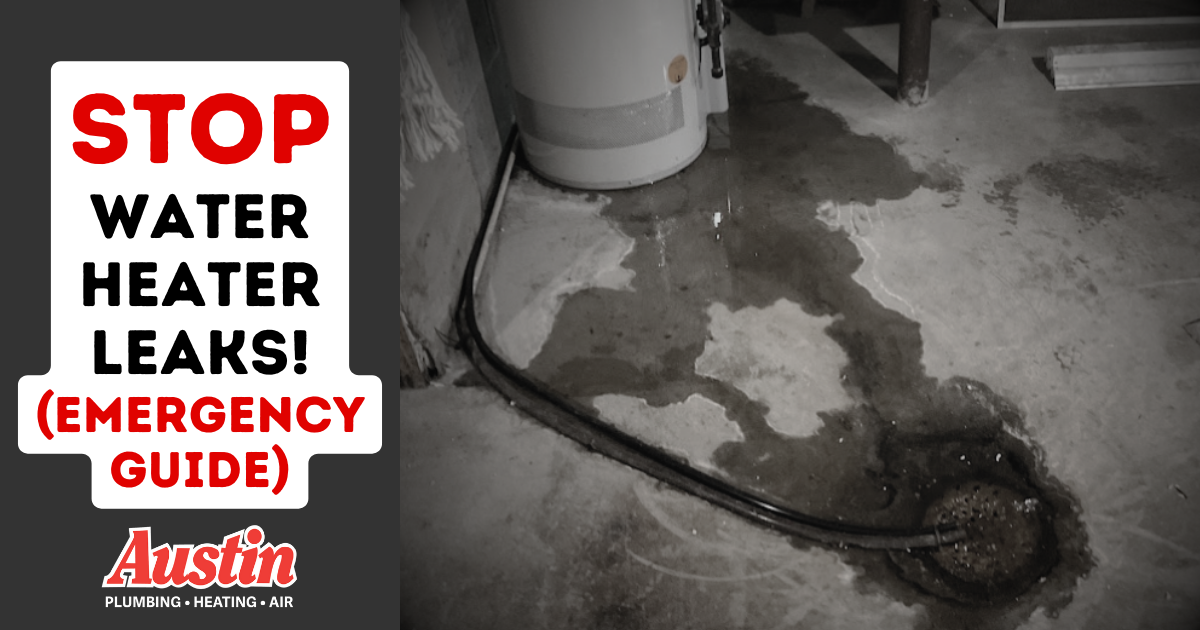
Credit: teamaustin.com
Safety Tips During Repairs
Fixing a leaking water heater shut off valve needs care and attention. Safety must come first during any repair job. Small mistakes can cause bigger problems or injuries. Follow simple safety tips to protect yourself and your home.
Avoid Electrical Hazards
Turn off the power to the water heater before starting. Water and electricity create dangerous risks. Use a voltage tester to make sure wires are dead. Keep tools and hands dry. Do not touch electrical parts with wet hands.
Properly Ventilate The Area
Work in a well-ventilated space to avoid harmful fumes. Open windows or doors to let fresh air in. Gas water heaters release gases that can build up. Good airflow keeps the air clean and safe to breathe.
Wear Protective Gear
Wear gloves to protect your hands from hot water and sharp edges. Safety glasses shield your eyes from splashes or debris. Use old clothes or a work apron to keep clean. Proper gear reduces the risk of cuts and burns.
Frequently Asked Questions
What Causes A Water Heater Shut Off Valve To Leak?
A leaking shut off valve often results from worn-out washers, corrosion, or loose fittings. Over time, seals deteriorate, causing drips. Regular maintenance helps prevent leaks and prolongs valve life.
How Can I Fix A Leaking Water Heater Shut Off Valve?
To fix the leak, first turn off the main water supply. Tighten valve connections or replace washers. If corrosion is severe, replace the valve entirely for safety.
Is It Safe To Ignore A Leaking Shut Off Valve?
No, ignoring leaks risks water damage and reduced heater efficiency. Small leaks can worsen, causing bigger plumbing issues. Prompt repair prevents costly damage and ensures safe operation.
How Do I Prevent My Water Heater Valve From Leaking?
Regularly inspect and tighten valve connections. Replace worn washers promptly and keep the valve clean from rust. Annual maintenance by a plumber also helps prevent leaks.
Conclusion
A leaking water heater shut off valve can cause serious problems. Fixing it quickly saves water and prevents damage. Check the valve regularly to catch leaks early. Tighten connections or replace faulty parts as needed. Don’t ignore small drips—they often become bigger issues.
Taking simple steps keeps your water heater safe and working well. Stay alert to signs of leaks around your home. Quick action helps avoid costly repairs later. Keep your water heater valve in good shape for peace of mind.