Is your water heater feeling like it’s under too much pressure? If you’ve noticed strange noises, leaks, or your water temperature suddenly spiking, your water heater might be struggling with high pressure.
This isn’t just a small annoyance—it can lead to bigger problems that affect your safety and your wallet. You’ll learn why too much pressure happens, how to spot the signs early, and what steps you can take right now to protect your home and keep your water heater running smoothly.
Don’t wait until a small issue turns into a costly repair—read on to find out what you need to know.
Credit: superiorplumbingtulsa.com
Causes Of Excess Pressure
Excess pressure in a water heater can cause damage and reduce its lifespan. Understanding the causes helps keep your system safe and working well. Many factors lead to too much pressure inside the heater. Each one affects the system differently.
Thermal Expansion Issues
Water heats up and expands inside the tank. Without a place to release this extra volume, pressure builds quickly. A missing or faulty expansion tank worsens this problem. The result is high pressure that strains the heater.
Faulty Pressure Relief Valve
The pressure relief valve lets steam or water out to reduce pressure. If it fails or clogs, pressure rises unchecked. This valve needs regular checks and replacement if damaged. Otherwise, dangerous pressure levels can occur.
High Incoming Water Pressure
Water enters your home at a set pressure from the city or well. If this pressure is too high, it stresses the heater tank. Pressure above 80 psi is risky for most water heaters. A pressure regulator can help control this issue.
Blocked Or Closed Valves
Valves control water flow in and out of the heater. If they are blocked or fully closed, pressure builds inside. This blockage traps expanding water, increasing pressure quickly. Regular valve checks prevent this dangerous situation.
Water Heater Overheating
Overheating causes water to boil and create steam inside the tank. Steam takes up more space and raises pressure fast. Faulty thermostats or heating elements often cause overheating. Keeping the temperature setting correct avoids excess pressure.
Credit: brockmechanical.com
Risks Of High Water Pressure
High water pressure in your water heater causes many problems. It stresses the system and parts. This pressure pushes beyond safe limits. The risks affect your home’s safety and your wallet.
Damage To Water Heater Components
High pressure strains the water heater’s tank and valves. It can cause cracks or breaks in the tank. Valves may wear out faster and stop working. This damage leads to leaks and costly repairs.
Burst Pipes And Leaks
Excess pressure makes pipes fragile. Pipes may burst suddenly, flooding your home. Even small leaks waste water and increase bills. Detecting leaks early is difficult but important.
Reduced Appliance Lifespan
High pressure wears out your water heater quickly. It causes parts to fail sooner than normal. You will need to replace your heater earlier. This means more expenses and hassle.
Safety Hazards
Too much pressure can create dangerous situations. It may cause hot water to spray or scald someone. In rare cases, the tank can explode. Protect your home by controlling water pressure.
Quick Fixes For Pressure Problems
High pressure in a water heater can cause leaks and damage. Fixing pressure problems quickly keeps your heater safe. Simple steps can reduce pressure and protect your system. These easy fixes save money and avoid bigger repairs. Follow these tips to lower pressure in your water heater.
Checking And Replacing Pressure Relief Valve
The pressure relief valve stops excess pressure safely. Check it by lifting the valve’s lever. Water should flow out easily. If it does not open or leaks, replace the valve. A faulty valve can cause too much pressure inside.
Installing Expansion Tank
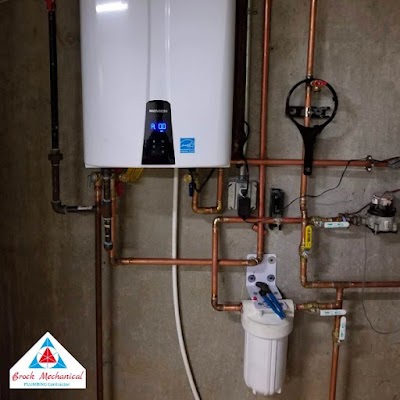
An expansion tank absorbs extra pressure from heated water. It connects to your water heater’s cold water line. Installing one reduces stress on pipes and the heater. This simple device helps keep pressure steady and safe.
Adjusting Incoming Water Pressure
High water pressure from the main line causes heater problems. Use a pressure regulator to lower incoming pressure. Check pressure with a gauge near the heater. Set the regulator to keep pressure below 80 psi. This protects your heater and plumbing.
Flushing The Water Heater
Flushing removes sediment that can build up inside the tank. Sediment blocks valves and creates pressure issues. Drain a few gallons of water from the tank yearly. This keeps the heater clean and working well.
Regular Maintenance Tips
Check pressure relief valve twice a year. Inspect pipes for leaks or damage. Test water pressure regularly with a gauge. Flush the tank at least once a year. Keep the heater area clean and dry. Routine care prevents pressure problems early.
Credit: www.corroprotec.com
Frequently Asked Questions
What Causes High Pressure In A Water Heater?
High pressure often results from thermal expansion when water heats up. It can also be due to a faulty pressure relief valve or incorrect pressure settings in the plumbing system.
How Can I Reduce Excessive Pressure In My Water Heater?
Install an expansion tank to absorb excess pressure. Regularly check and maintain the pressure relief valve for proper function. Adjust the pressure regulator if necessary.
Is High Water Heater Pressure Dangerous?
Yes, excessive pressure can cause leaks, tank damage, or even explosions. It compromises safety and can lead to costly repairs or hazards.
How Do I Check The Pressure In My Water Heater?
Use a pressure gauge attached to the water heater’s drain valve. Normal pressure ranges between 40 to 60 psi. Consult a professional if readings are consistently higher.
Conclusion
Too much pressure in your water heater can cause serious problems. It can lead to leaks, damage, or even bursts. Regular checks help keep your water heater safe and working well. Simple steps like adjusting the pressure valve or calling a plumber can prevent bigger issues.
Stay aware of pressure signs to protect your home. Taking care of your water heater saves money and stress in the long run. Don’t ignore high pressure; act early for safety and comfort.